
Read the River First: A Systematic Framework for Finding Feeding Trout
Advanced fly fishing tactics for rivers start with a simple truth: the angler who reads water well catches more trout than the angler with the best cast. Before you tie on a fly, learn to see where fish actually live.
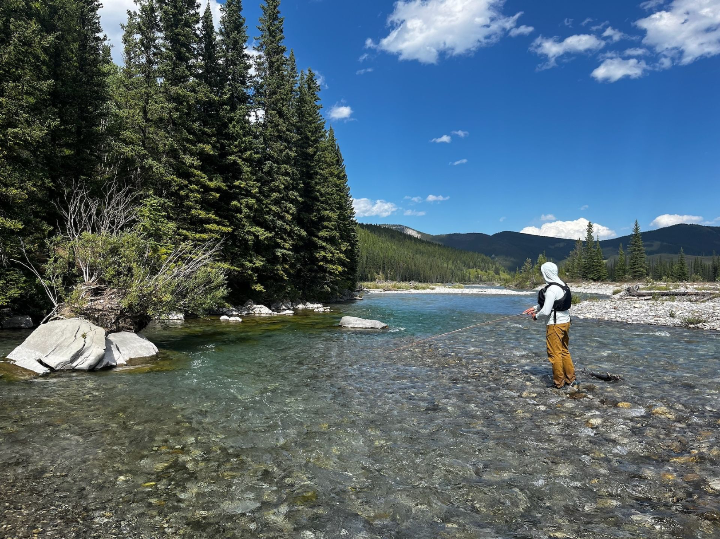
Trout hold in a small fraction of any river. Most of the water is either too fast, too shallow, or too exposed. Finding the productive slice is the skill that makes everything else work.
A Repeatable Four-Pass Assessment Order
Read the river in four passes, and do them in this order every time. First, scan the whole visible stretch for pools, the deep, slow water where trout rest between feeding bouts. Second, find runs, the steady mid-depth stretches where fish feed on drifting insects. Third, note riffles, the shallow, oxygen-rich water that holds smaller, aggressive fish and signals good invertebrate production. Fourth, and most important, locate the seams, the visible lines where fast water meets slow.
Within each pass, check four variables: depth (can you see bottom?), current speed (fast, medium, slow), cover (boulders, undercut banks, logjams, overhanging vegetation), and feeding lane (the bubble line or foam line that concentrates drifting food). A seam with depth, cover, and a defined bubble line is a higher-probability target than a seam with only one of those features.
Annotated Example: Reading a Bend
Picture a outside bend with a riffle at the head, a deep pool on the outside, and a gravel bar on the inside. Pass one: the pool is the rest lie, but it is not always the feeding lie. Pass two: the run entering the pool is the feeding zone. Pass three: the riffle at the head oxygenates the water and holds smaller fish.
Matching Tactics to Flow, Temperature, and Water Clarity
Conditions decide your approach more than any fly choice. In cold, low, clear water, trout spook easily, so lengthen your leader and fish finer tippet.
Use flow, temperature, and clarity as decision rules. Rising or high flow: fish the edges and soft pockets, add weight, and shorten your leader. Falling or low flow: fish the deeper slots and seams, lengthen the leader, and downsize flies.
Drag-Free Drift Fly Fishing: Line Control That Beats Fast Current
Drag-free drift fly fishing is the practice of presenting a fly so it travels at the same speed as the current, with no unnatural pull from the line. Drag is the single biggest reason trout refuse a good fly.
The Fly Fishers International casting resources explain the mend timing well. Practise it on slow water first, then take it to the fast stuff.
Reach Cast Fly Fishing: When to Reach Instead of Mend
Reach cast fly fishing solves a specific problem: a mend after the fly lands can drag it off line. The reach cast throws the mend during the forward cast, so the fly lands clean. Use it when you are casting across conflicting currents and need the line upstream of the fly before it touches down. If you are still fighting drag in heavy water, our guide to fishing a dry dropper rig in fast water covers the same problem from a different angle.
Nymphing Deep River Runs: Getting Flies Down and Keeping Contact
Deep runs demand weight and discipline. Trout in these slots feed below the surface, and your flies need to reach them with a natural sink. Add split shot or a heavier point fly, adjust your indicator depth until it runs at the speed of the current, and set the hook on any hesitation. Contact is everything. If you cannot feel the bottom occasionally, you are not deep enough. For a full breakdown of rigs and technique, read our guide to fly fishing with nymphs.
Fly Fishing from a Drift Boat: Presentation and Safety on Big Water
Fly fishing from a drift boat changes the geometry of the cast. You are above the water, moving, and casting to banks that slide past. The boat also changes your presentation options: you can fish downstream, swing flies through seams, and cover water that wading anglers cannot reach. Use the boat to your advantage rather than casting as if you were standing in the river.
Presentation Mechanics from a Moving Platform
Shorten your stroke and aim across and slightly downstream, letting the boat do the work of covering water. Fish the seam closest to the boat first, then work outward. When casting to a bank, lead the target slightly upstream so the fly lands before the boat arrives.
Watch out: standing and casting while the boat is moving through rough water is the most common cause of falls. Sit or brace before you cast.
Spacing, Rest, and Pressured Water
On crowded stretches, use the boat to reach water other anglers walk past: the far bank, the inside edges, and the pocket water behind boulders. Give each seam a rest period before you return to it, and change your angle on the second pass rather than repeating the same cast. Smaller flies and finer tippet matter more when the boat has already passed other anglers.
Safety and Big-Water Discipline
Safety comes first: wear a properly fitted life jacket, keep weight low and centred, and never stand while the boat is moving through rough water. Agree on signals with your rower before you fish, keep loose line off the floor, and stow rods when moving between spots. For casting specifics from the boat, see our article on casting a fly rod from a drift boat.
Troubleshooting Missed Fish: A/B Testing Your Presentation
When trout refuse or miss your fly, treat it as data. Change one variable at a time and watch the response. Fish the same seam with a smaller fly, then a deeper drift, then a longer leader. If nothing moves, the fish are not feeding, and you should move to new water. This simple A/B approach turns a slow day into a lesson instead of a frustration.
| Problem | Likely Cause | Fix |
|---|---|---|
| Refusals at the surface | Drag or heavy tippet | Mend earlier, finer tippet |
| Fish flash but miss | Wrong size or profile | Drop one fly size |
| No takes at depth | Flies running too high | Add weight, lengthen dropper |
| Spooked fish, clear water | Leader too short | Lengthen leader, back off |
Tactics for Pressured Fish and Crowded Rivers
Pressured trout see a lot of flies. On popular stretches, fish smaller patterns, finer tippet, and longer, quieter presentations. Approach from downstream where possible, keep a low profile, and fish the water most anglers walk past: the shallow tailouts, the inside edges, the pocket behind a boulder. A systematic approach to reading water separates you from the crowd, and our Reading Water 101 clinic teaches exactly that skill.
Book a Guided Trip to Put These Advanced Fly Fishing Tactics to Work
Reading seams, controlling drag, and nymphing deep runs all improve with time on the water beside someone who knows it. Guides are available for anglers of all skill levels. Browse our guided fishing trips and book a day on the river.
Frequently Asked Questions
How do you read a river to find feeding fish?
Start by identifying the three basic zones: riffles (fast, shallow, oxygen-rich), runs (steady current with depth), and pools (slow, deep). Trout feed where current delivers food without costing them energy, so look for seams, foam lines, and the tailouts of pools. Watch for flashes, rises, or subtle boils. A systematic pass from riffle to run to pool, noting depth and current speed, tells you where to place your first cast and which tactic to use.
How do you get a drag-free drift in fast current?
Position yourself so the fly reaches the fish before the line does. Use an upstream or upstream-and-across cast, then lift the rod tip and feed slack line through the guides as the fly approaches. A reach cast or an aerial mend puts the line upstream of the fly before it lands. Keep the rod tip high and follow the fly with the tip. In fast water, a longer tippet and a heavier fly also help the fly track naturally without dragging.
When should you use a reach cast instead of a mend?
Use a reach cast when you need to reposition the line before the fly lands, especially in fast current or when casting across conflicting currents. A mend happens after the fly is on the water and can disturb the drift. The reach cast moves the line upstream in the air, so the fly lands with slack already in place. If the current is slow and the drift is long, a mend may be enough. In fast, complex water, reach first.
How do you fish dry flies from a moving drift boat?
Fish the dry fly on the inside of the boat's path, casting ahead and slightly downstream so the fly reaches the fish before the boat does. Use a reach cast to put slack in the line, and keep the rod tip low to avoid drag. Target banks, seams, and foam lines as you pass. Safety comes first: sit while casting, keep the rod low, and let the guide handle the oars. A dry-dropper rig can cover both surface and shallow subsurface feeding.
How do you adjust your fly fishing tactics for deep river runs?
For deep runs, switch to nymphing with enough weight to reach the bottom quickly. Use an indicator set at roughly one and a half times the water depth, or tight-line nymph without an indicator in faster chutes. Cast upstream and keep the rod tip high to maintain contact. A multi-fly rig with a heavier point fly and a smaller dropper covers two depths. If you are not ticking bottom occasionally, add weight or lengthen the tippet.
What is the best way to cast safely from a drift boat?
Sit or brace low while casting, keep the rod tip low and the fly away from the boat, and always look behind you before the back cast. Wear a life jacket and eye protection. Let the guide control the boat and call the casts. Use short, controlled casts rather than long hero casts. When changing flies, keep the rod tip down and the line clear of the oars. Safety on moving water starts with staying seated and keeping the fly away from people.
How do you choose a fly for changing river conditions?
Match the fly to depth, current speed, and what the trout are eating. In fast, deep water, use heavier nymphs and streamers in darker colors. In slow, clear water, downsize tippet and flies, and favor natural colors. Watch for hatches: if you see rises, match the size and silhouette of the natural insect. Carry a box with a range of sizes and weights, and change flies after a few drifts without a strike. Observation beats guesswork.
How do you catch pressured trout in crowded rivers?
Pressured trout see more flies and anglers, so downsize everything: lighter tippet, smaller flies, and longer leaders. Approach quietly and fish the water others walk past, such as the inside of a bend or the tail of a pool. Fish faster water that requires more weight and better line control. Use a drag-free drift and reach casts to avoid spooking fish. A guided trip can show you overlooked water and the presentation adjustments that work on local rivers.
The gap between a decent angler and a consistent one is rarely the cast. It is the ability to read water and adjust. If you want to shorten that learning curve, River People Guides offers expert-guided river trips, a curated selection of premium gear from Orvis, TFO, Big Agnes, and NRS, and local knowledge of the rivers and streams around Bragg Creek. Get started with River People Guides and turn more of your drifts into hookups.