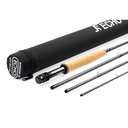
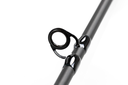
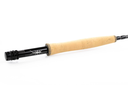
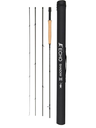
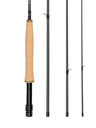
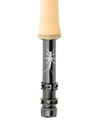
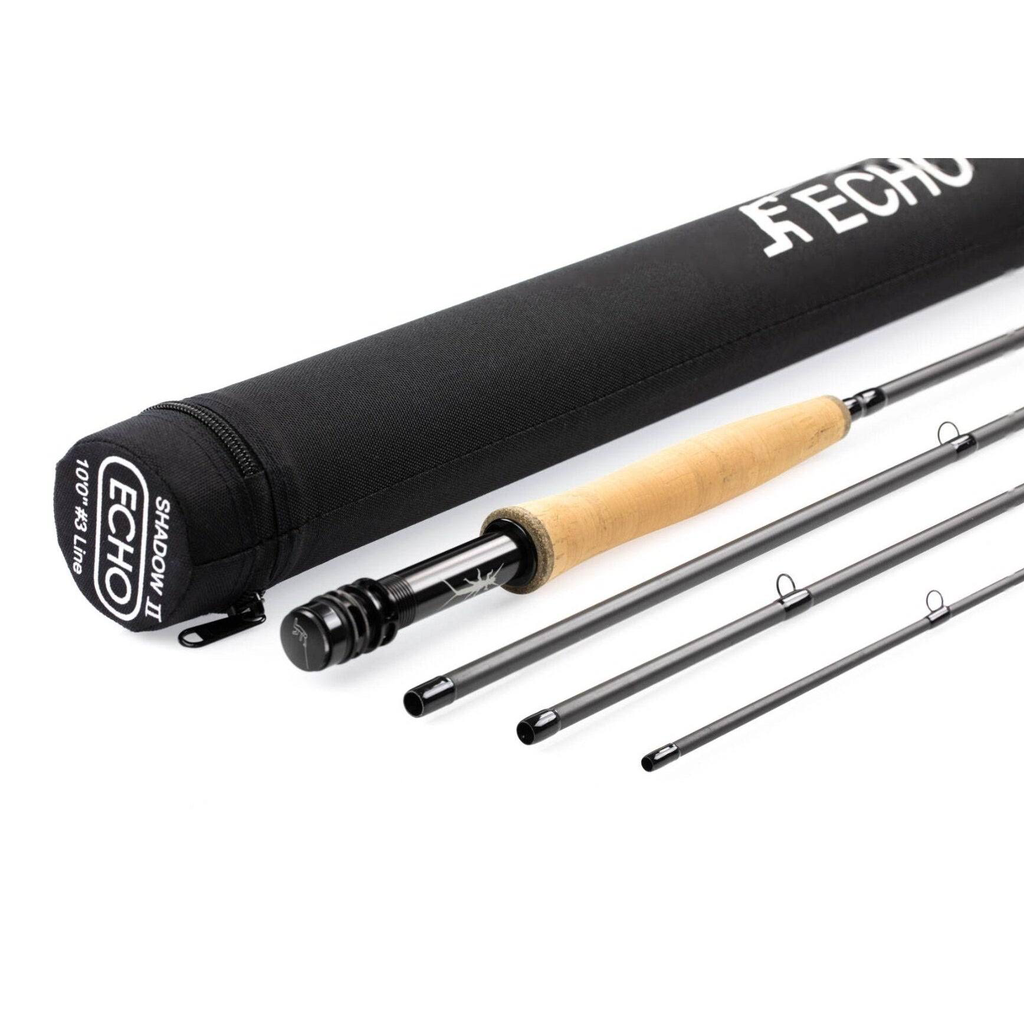
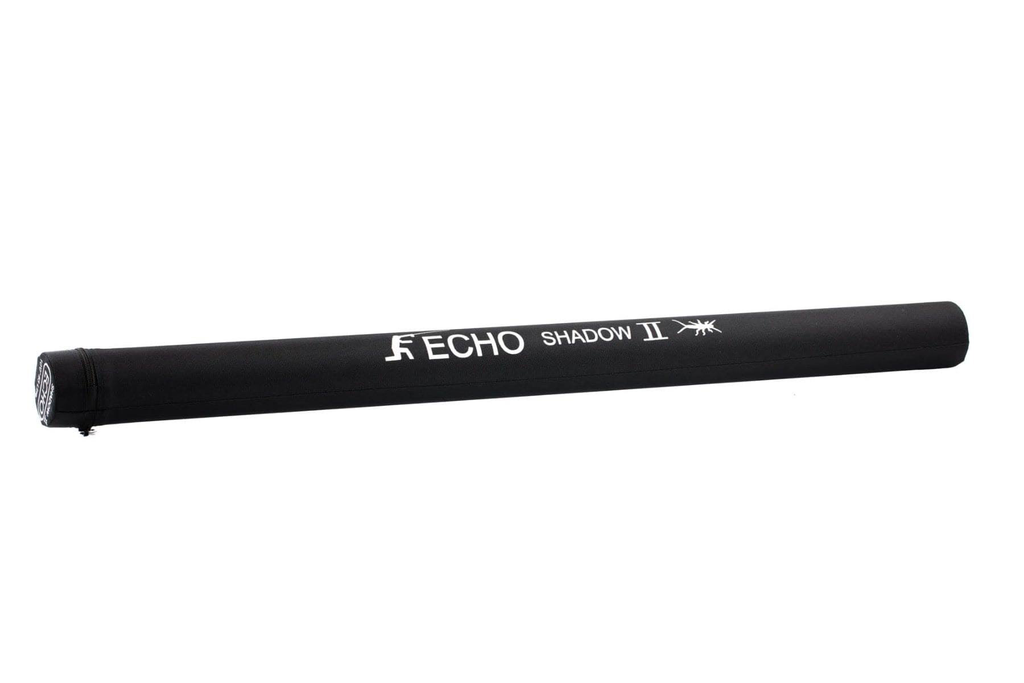
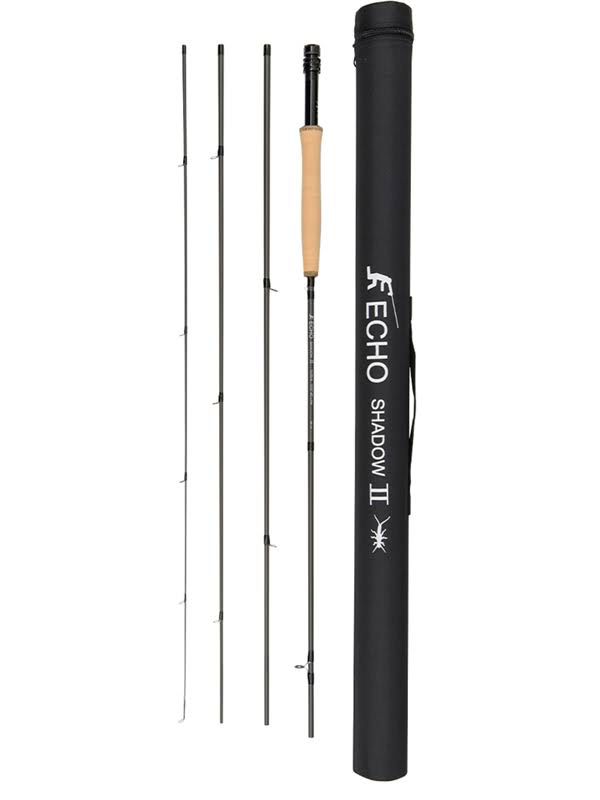
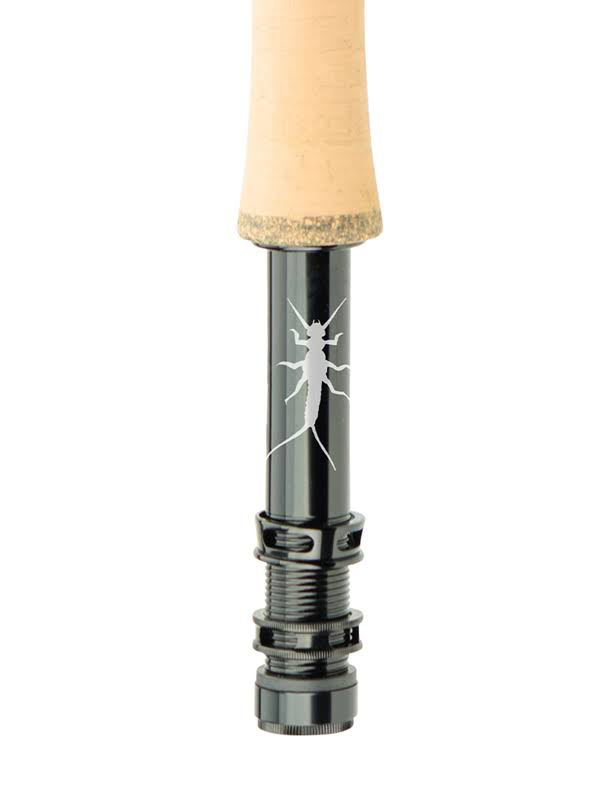
The Echo Fly Fishing Shadow II Fly Rod is a purpose-built Euro nymphing rod engineered for anglers who demand ultimate sensitivity, control, and efficiency on technical trout waters. Designed in collaboration with competitive anglers, this rod delivers exceptional strike detection and tight-line performance, making it a go-to choice for modern nymphing techniques.
Featuring a lightweight, fast-action blank, the Shadow II excels at maintaining direct contact with your flies—allowing you to feel subtle takes, bottom structure, and current variations with unmatched precision. Its extended length (10’–10’6”) enhances reach and drift control, helping anglers keep more line off the water and achieve drag-free presentations.
Unlike many specialized nymph rods, the Shadow II offers surprising versatility. It can handle light dry fly work when needed, while still maintaining the finesse required for fishing thin tippets and small flies. This balance of sensitivity and adaptability places it in the “sweet spot” for both competitive and everyday anglers.
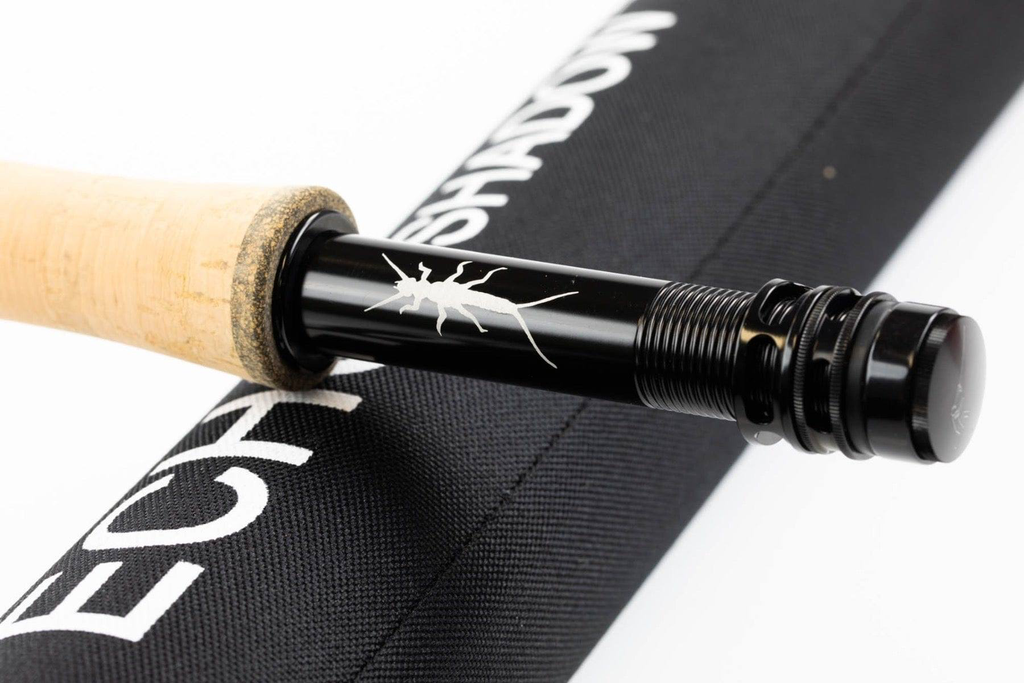
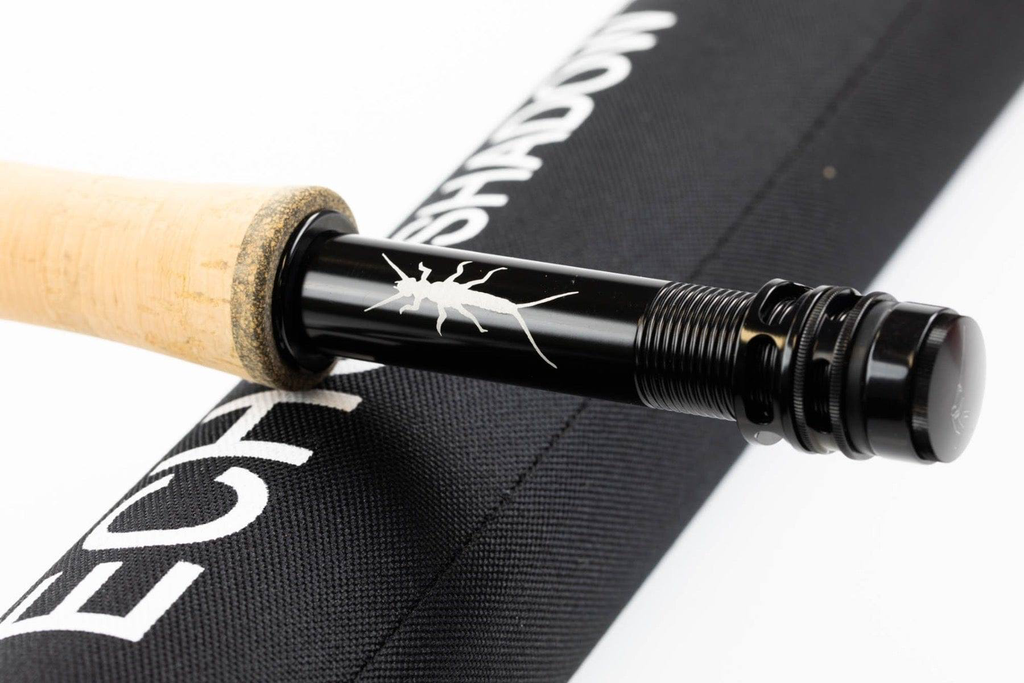
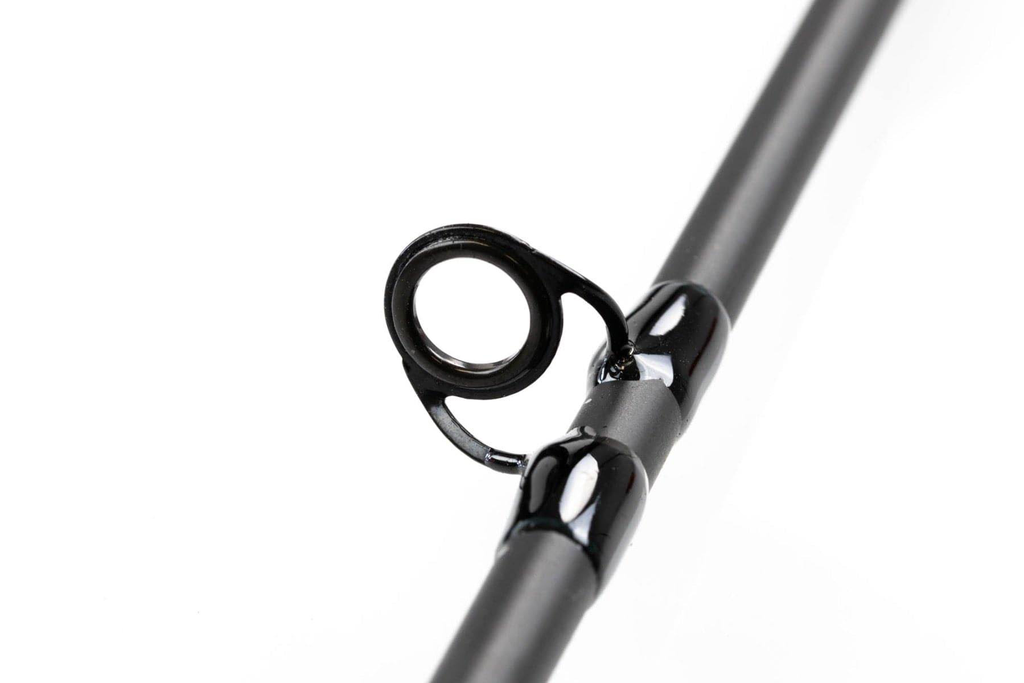
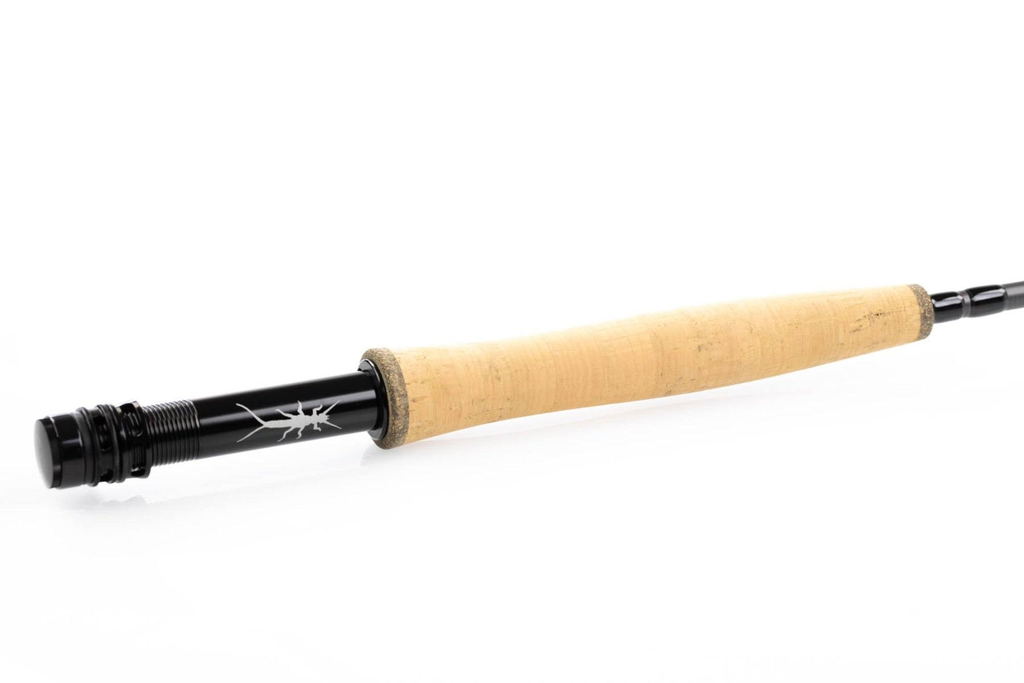
Built with durable components and a clean, functional design, the Shadow II is also available with an optional competition kit—including extensions, counterweights, and a fighting butt—allowing anglers to fine-tune rod length and balance for specific river conditions.
Key Features:
- Euro nymphing-specific design for maximum strike detection
- Lightweight, fast-action blank for superior sensitivity
- Extended length for better reach, drift control, and line management
- Excellent protection of light tippets with a soft tip and strong backbone
- Optional competition kit for customizable balance and length
- Versatile enough for light dry fly presentations
If you're serious about tight-line nymphing or looking to elevate your technical trout game, the Echo Shadow II Fly Rod delivers elite-level performance at a highly competitive price point.
Who It’s Best For:
- Euro nymphing anglers (beginner → competitive)
- Technical trout fishing on rivers like the Bow or Elbow
- Anglers prioritizing sensitivity over long-distance casting

![youtube - [Video]](/web/image/product.image/144/image_128/youtube%20-%20%5BVideo%5D?unique=4bd49f0)